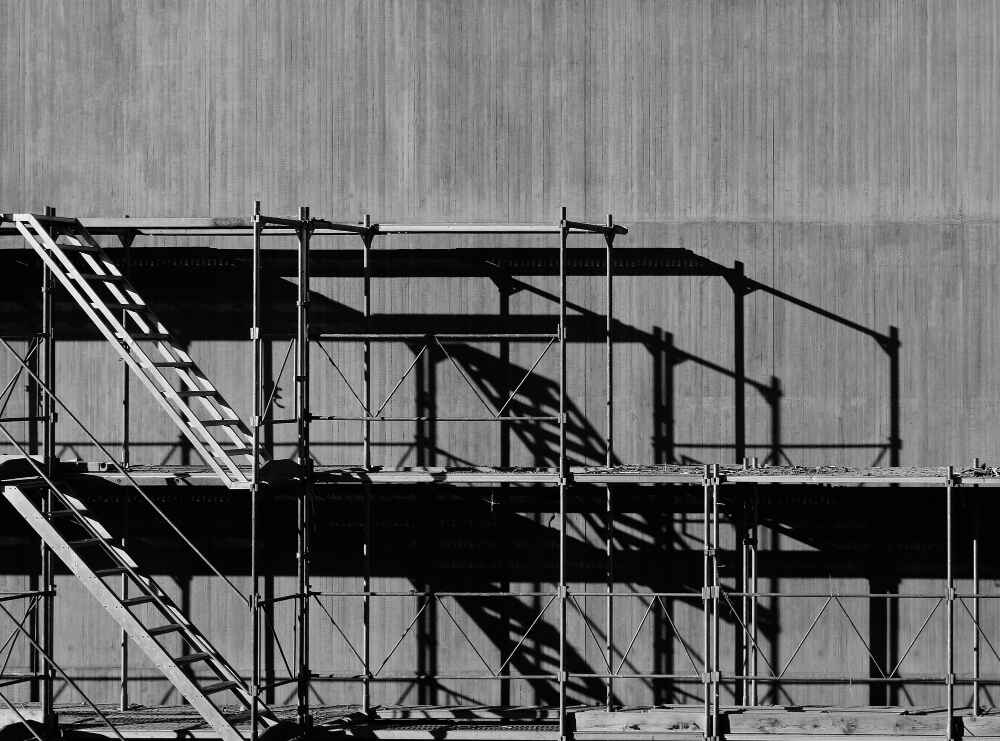
How to Choose the Right Scaffolding for Your Residential Building Projects?
Without efficient equipment, no construction projects can be done. Among numerous pieces of must-have equipment, the most crucial is scaffolding.
Are you working on residential projects? In need of a top-quality scaffolding for your construction projects? If that’s the case, you’re not alone.
In this article, we’ll shed light on five crucial tips that, if followed, will guide your final choice. Let’s review them…
1. Assess Your Project Requirements
On top of all, evaluate the specific needs of your residential project. Be mindful of the height requirements and the weight capacity needed for materials.
Beyond that, know what type of work you’ll be undertaking. This proactive stance, when taken, will enable you to determine whether you need a single-width or double-width scaffold and the correct height.
2. Choose the Right Type of Scaffolding
In search of scaffolding to buy, explore its various types. The most widely used ones in the construction industry are as follows:
- frame scaffolds,
- system scaffolds, and
- rolling scaffolds.
Frame scaffolding is known for its ease of assembly and versatility, that is why most home builders prioritize choosing it over others. Consider your particular construction tasks to select the type that suits you best, ensuring safety and efficiency.
3. Material Considerations
Scaffolding can be made from a variety of materials, such as:
- aluminum,
- steel, or
- wood.
Aluminium-made scaffolds are lightweight and rust-resistant, making them ideal for projects requiring mobility. On the contrary, steel-made ones provide superior strength and durability.
They work best in terms of handling heavier loads. Thus, opt for a material that aligns perfectly with your project’s needs and local weather conditions.
4. Safety Standards and Compliance
Before investing, another thing to be sure about is that the scaffolding you choose meets all local safety regulations and standards.
Remember, these regulations are outlined by the Occupational Safety and Health Administration (OSHA) and other relevant bodies. Keep an eye on scaffolding certified by well-known organizations to ensure it complies with required safety protocols.
5. Invest in Quality and Durability
It may be tempting to go for the cheapest options available. However, investing in premium-quality scaffolding matters most for safety and longevity.
Browse brands or manufacturers with a strong market reputation. Confirm whether they offer warranties or guarantees on their products.
Choosing a top-quality scaffolding will not only be safer but also last longer, saving you more money in the long run.
6. Rent or Buy?
Relying on the scale and frequency of your projects, renting scaffolding is more cost-effective than purchasing it outright.
Planning to use scaffolding for a variety of projects in the future? If so, buying might be the better option. Just assess your budget and storage capabilities. Don’t overlook the project timeline. Therefore, you can confidently make an informed decision that will go in your favor.
Wrapping It Up
A safer, more successful construction experience depends on the right scaffolding choice. Don’t hesitate to seek word-of-mouth referrals from other expert home builders to stay on track during the selection process.

Karen Hyland
Hey there! I'm Karen, originally from Romania but now settled in Fredericksburg, VA. You'll often find me in coffee shops, hustling on my business while browsing Reddit to gain insights on different topics. I started this blog to share my knowledge with all of you.


You May Also Like
Protect Your Family and Property from Weather Damage
Smart Design Decisions: Balancing Aesthetics with Durability